Why Secure Plate Verification Matters for UK Drivers
Every day, thousands of vehicles travel on UK roads, and a small but persistent problem is number plate cloning. Criminals copy a legitimate registration onto their own vehicle, often to commit fuel theft, avoid congestion charges, or run through speed cameras without consequence. The genuine owner then receives the fines, the penalty points, and the hassle of proving they weren't there. For anyone who drives regularly, this scenario is a growing worry. The process of protecting against it relies on something that many drivers overlook: secure plate verification protect-a-plate.
Number plate cloning is not new, but its frequency has risen with automated enforcement cameras and online vehicle sales. A cloned plate can go unnoticed for months, and by the time the owner discovers it, the administrative burden is significant. The police can investigate, but prevention is far better than cure. That is where a proper verification system comes into its own. Instead of waiting for a problem to surface, drivers can use a service that monitors their registration and alerts them to any suspicious use. The principle is simple, but the implementation requires a network that connects DVLA data, law enforcement, and the driver themselves.
How Cloning Happens and Why It Works
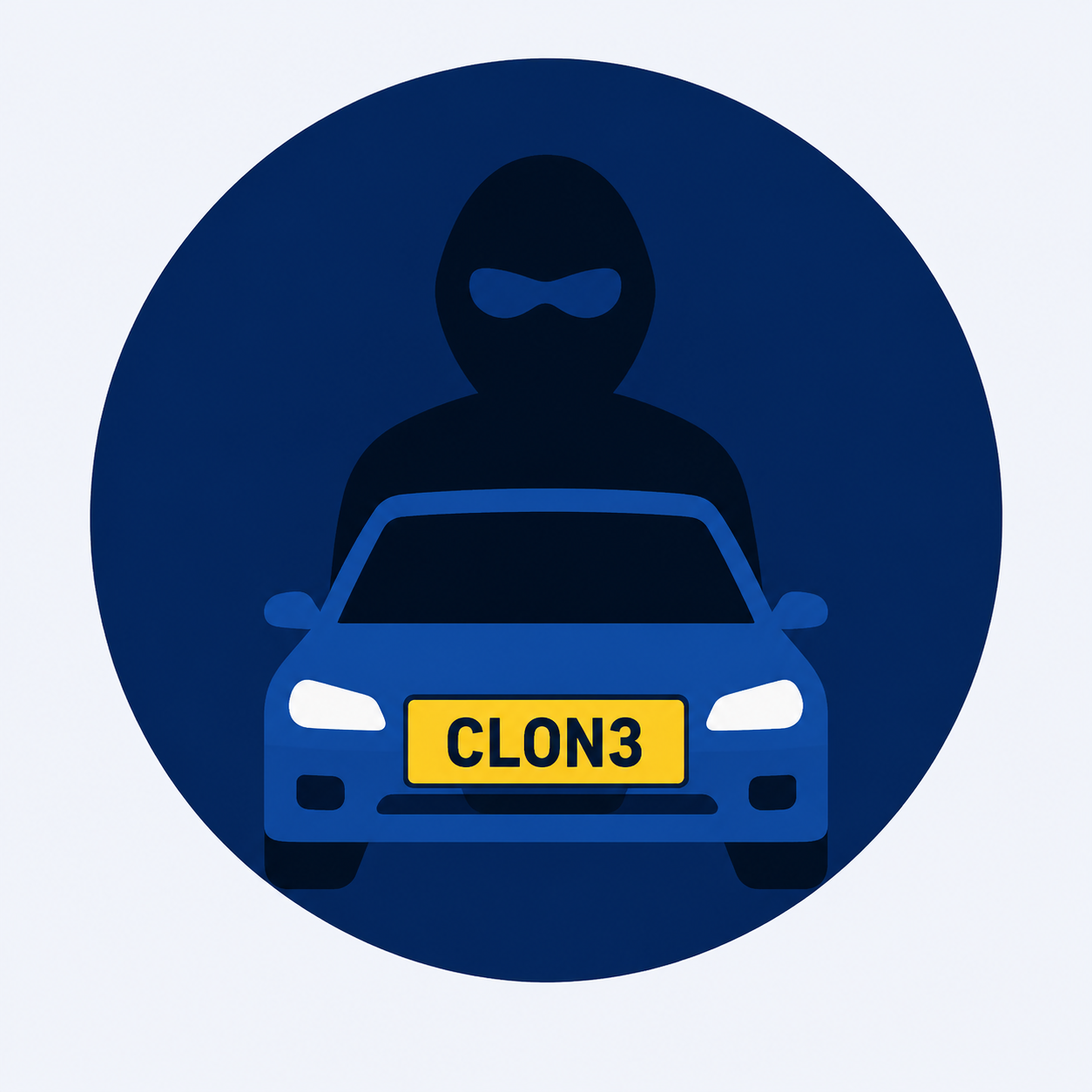
Criminals typically find a vehicle that matches their own make, model, and colour. They note the registration, have replica plates made at a number plate supplier, and fit those plates to their car. From a distance, the cloned vehicle looks identical to the original. ANPR cameras, which read plates automatically, cannot tell the difference because the characters are optically valid. The cloned vehicle then passes through toll roads, low-emission zones, or petrol stations without the owner knowing. The bills and penalty notices go to the legitimate registered keeper, who must prove they were elsewhere at the time. That proof often involves providing dashcam footage, location data, or witness statements. It is time-consuming and stressful, and it can take weeks to resolve.
The key weakness for the criminal is that they depend on the owner remaining unaware. If the owner is alerted within hours of a cloned plate being used, the fraud can be reported quickly, and the evidence trail is much stronger. That is the core value of a verification network. It acts as a tripwire. The moment a registration is flagged in a system that cross-references it with the owner's data, a notification can be sent. The owner then knows to check the location, the time, and whether they were there. If they were not, the report can be made immediately.
What Secure Plate Verification Means in Practice
Secure plate verification is not a single action but a combination of checks and alerts. The process starts when a vehicle owner registers their details with a trusted network. That network holds the official registration data and the owner's contact preferences. Every time the registration is scanned by an ANPR camera linked to the network, the system checks whether the current scan matches the expected pattern of use. If the vehicle is scanned in a location far from where the owner lives, or at a time when the vehicle is usually parked, the system flags it. The owner receives an alert, often by text or email, and can then take action.
For the system to work reliably, the data must be accurate and the alerts must be timely. A delay of even a few hours can allow the criminal to commit multiple offences. That is why the network behind secure plate verification protect-a-plate is designed for speed. The moment a scan is processed, the comparison runs, and if there is a mismatch, the alert goes out. The owner does not need to check a dashboard or log in to a website. The notification arrives on their phone, and they can respond from there.
There is also a preventative dimension. When a registration is known to be protected, some criminals will avoid using that plate because they know the owner will be alerted quickly. The deterrent effect is real, even if it is hard to measure. A plate that is registered with a verification network is a less attractive target than one that is not. The criminal wants a plate that will go unnoticed for as long as possible. If they suspect the plate is monitored, they will often move on to another vehicle.
Who Benefits Most from This System
Private car owners are the obvious group, but the benefits extend further. Fleet operators, for example, often have dozens or hundreds of vehicles on the road. A cloned plate on a fleet vehicle can cause chaos with toll accounts, fuel cards, and maintenance schedules. Secure plate verification protect-a-plate gives the fleet manager a single point of contact for alerts. Instead of relying on drivers to notice unusual fines, the system flags anomalies automatically. That saves time and money, and it helps maintain the fleet's compliance record.
Another group that benefits is owners of high-value or unusual vehicles. Classic cars, sports cars, and custom builds are harder to clone because matching the exact model and colour is more difficult, but they are still targeted. A rare registration makes the vehicle stand out, and a cloned plate on a similar car can be used for high-value crimes such as smuggling or theft. The owner of a cherished plate might be particularly vulnerable because the registration itself is desirable. A verification network helps them protect that asset.

Motorhome and caravan owners also face a specific risk. Their vehicles are often left on driveways or storage sites for long periods. A cloned plate can be used while the vehicle is parked up, and the owner may not discover the problem until they return from a trip and find a pile of penalty notices. An alert system that checks the plate against the owner's known location can catch this kind of fraud early.
What to Look for in a Verification Service
Not all verification services are the same. The most important factor is the breadth of the camera network. A service that covers only a few local cameras is of limited use. The network needs to be national, ideally covering motorways, major A roads, and urban centres. The more cameras that are linked, the more likely it is that a cloned plate will be spotted quickly. Coverage of low-emission zones and congestion charge areas is especially important, because those are common targets for plate cloning.
Speed of alert is the second critical factor. An alert that arrives a week later is almost useless. The system should process scans and send notifications within minutes. That requires automated processing, not manual checks. The third factor is ease of use. The owner should be able to register their plate, set their contact preferences, and update their details without a long onboarding process. The system should also allow them to mark a legitimate journey as expected, so that they do not receive false alerts when they travel themselves.
Common Misconceptions About Plate Cloning
One common belief is that only expensive or luxury cars are cloned. In reality, any common model is a target. Criminals want a vehicle that blends in. A white Ford Transit van, a silver Toyota Corolla, or a black BMW 3-series are cloned frequently because they are everywhere. The plate is just a means to an end. The vehicle itself does not need to be valuable.
Another misconception is that the police will automatically spot a cloned plate. In practice, police officers do not have the time or resources to check every vehicle on the road. ANPR cameras in police cars can flag a cloned plate if the genuine vehicle is already reported as stolen, but if the owner has not yet discovered the cloning, the system does not know to look for it. That is why a proactive verification network is so important. It puts the owner in control, not the criminal.

Taking the First Step
For any driver who wants to reduce the risk of plate cloning, the first step is to register their plate with a verification network. The process takes only a few minutes, and the ongoing protection requires no daily effort. The system runs in the background, and the only interaction is when an alert arrives. For most owners, that peace of mind is well worth the small upfront effort.
Secure plate verification is not a magic bullet. It cannot stop a determined criminal from cloning a plate, but it does make the cloning far riskier for the criminal. And it gives the owner the one thing they need most: early warning. That early warning is the difference between a minor inconvenience and a major legal headache. For UK drivers who want to keep their registration safe, a verification network is now a practical, straightforward tool.
 Twitter
 Facebook
 Instagram